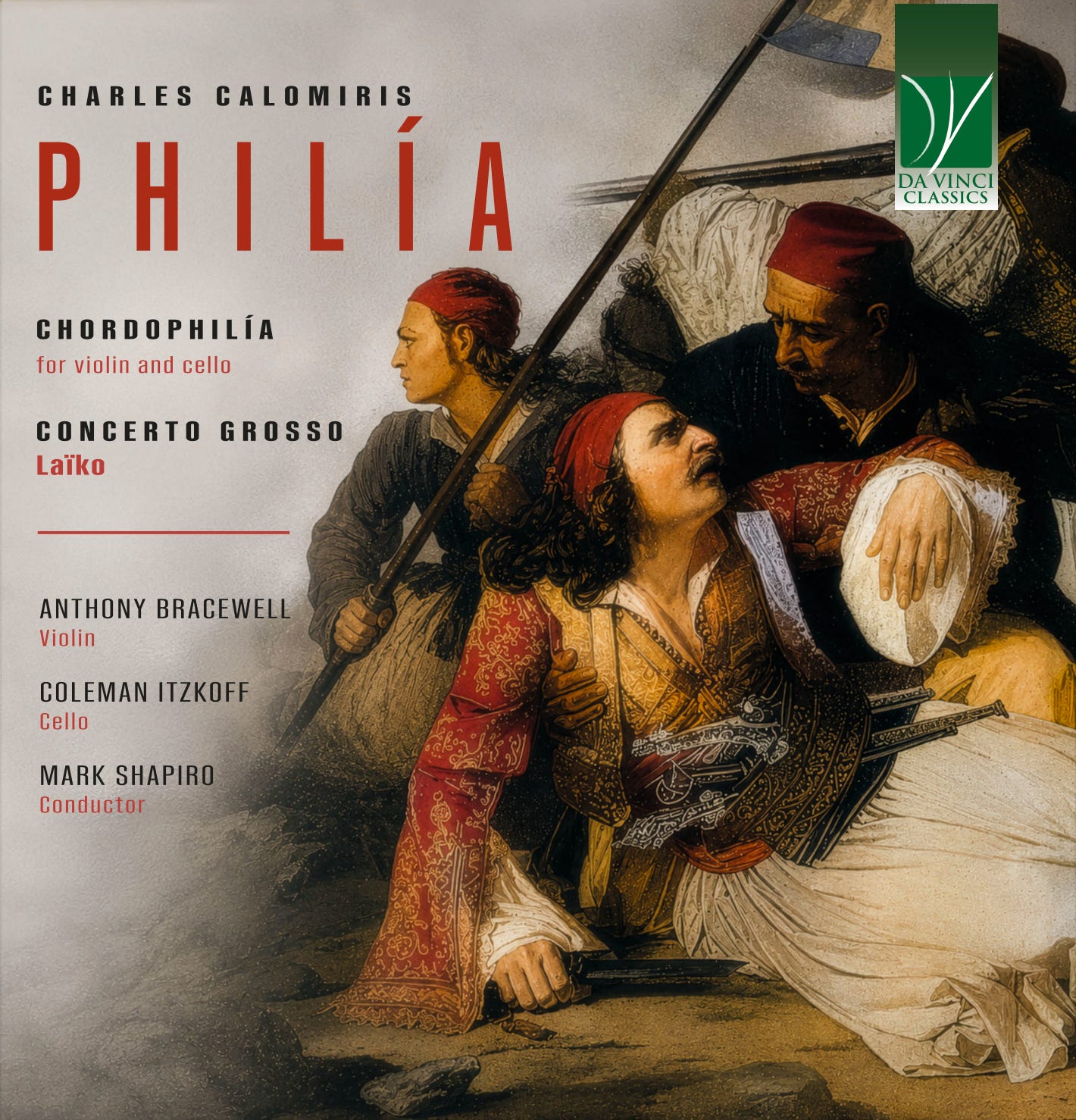
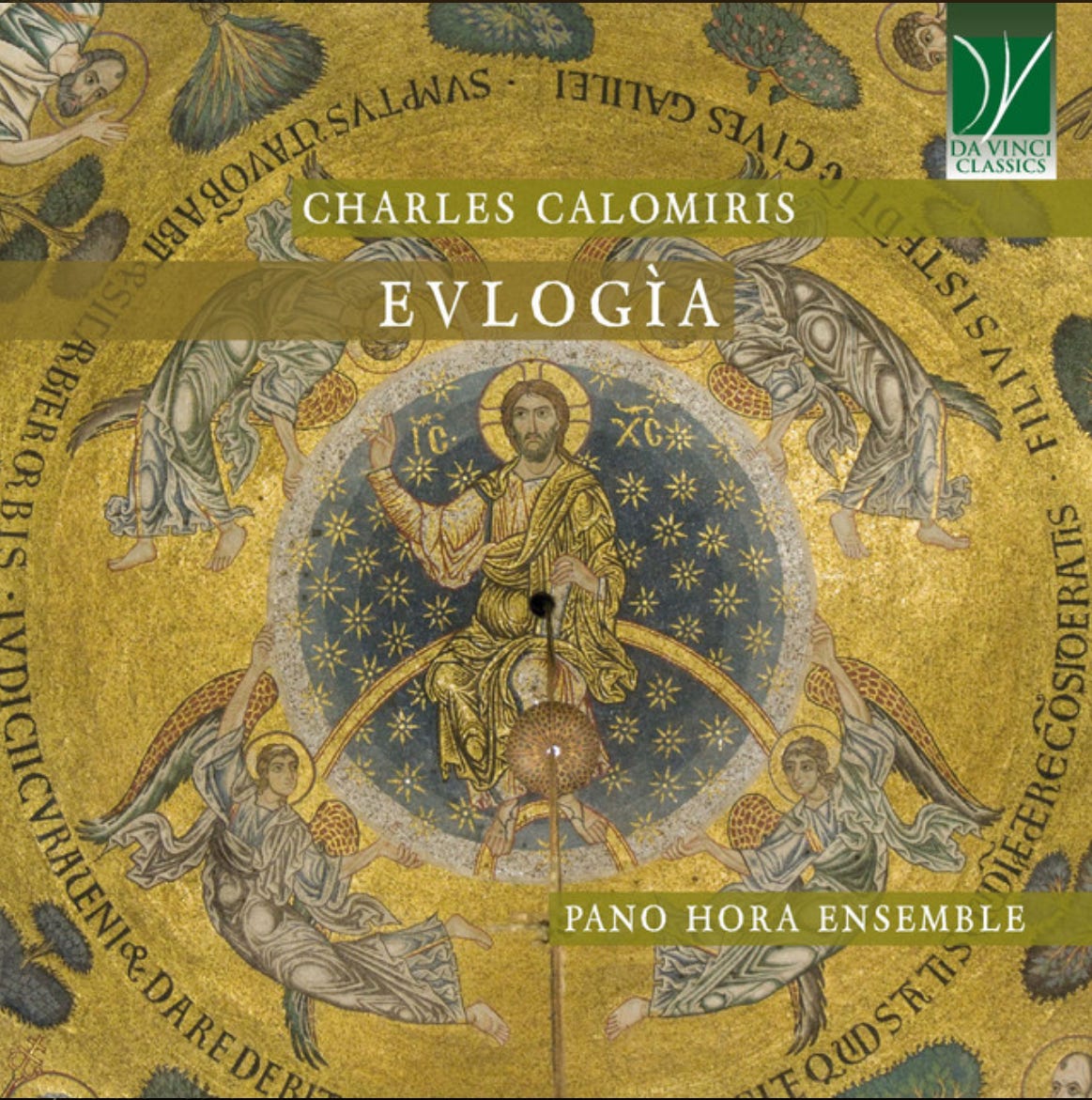
It gives me great pleasure to share the news that DaVinci Classics has agreed to publish our latest album project, Philía. We expect it to be released in September. This announcement also provides an opportunity for me to reflect on the partnership Pano Hora Ensemble has enjoyed with DaVinci Classics, which itself is a wonderful example of Philía.
As our ensemble was just getting started with recordings and performances, we were looking for a publisher that matched our spirit of commitment to quality, love of classical music, and openness to experimenting with intersections between classical music and other traditions. Our flutist, Ginevra Petrucci, pointed me to DaVinci Classics and introduced me to its founder, Edmondo Filippini.
Our first project was Pilgrimage, a collection of covers of some of the most beloved songs by Manos Hadjidakis, which I arranged for a quintet of flute, cimbalom, fadolín, guitar, and bass. When Edmondo agreed to publish it, we were greatly encouraged. Our budding partnership with DaVinci Classics, however, was soon tested, due to my inexperience. It turns out that the holder of Hadjidakis’s copyrights does not permit covers of his work to be published. I had no idea that such a prohibition was even a possibility. The album had to be withdrawn and all copies were destroyed. I explained my ignorance to Edmondo, recognizing that my explanation might sound unbelievable. I will never forget his reaction: “Yes, unbelievable, but completely understandable.” Edmondo refused my offer to pay for the costs he had incurred. And he told me that he looked forward to seeing our next project (which was our first album of original compositions). Now, after five of our albums of original works have been accepted by DaVinci Classics, I still marvel at his generosity of spirit.
Philía translates into English as brotherhood or comradeship, and is one of the four kinds of love recognized in the ancient Greek language, and discussed by Aristotle in his Nicomachean Ethics. Our new album celebrates two embodiments of philía: the brotherhood of musicians learning and playing music together, and the brotherhood of soldiers fighting side-by-side for freedom.
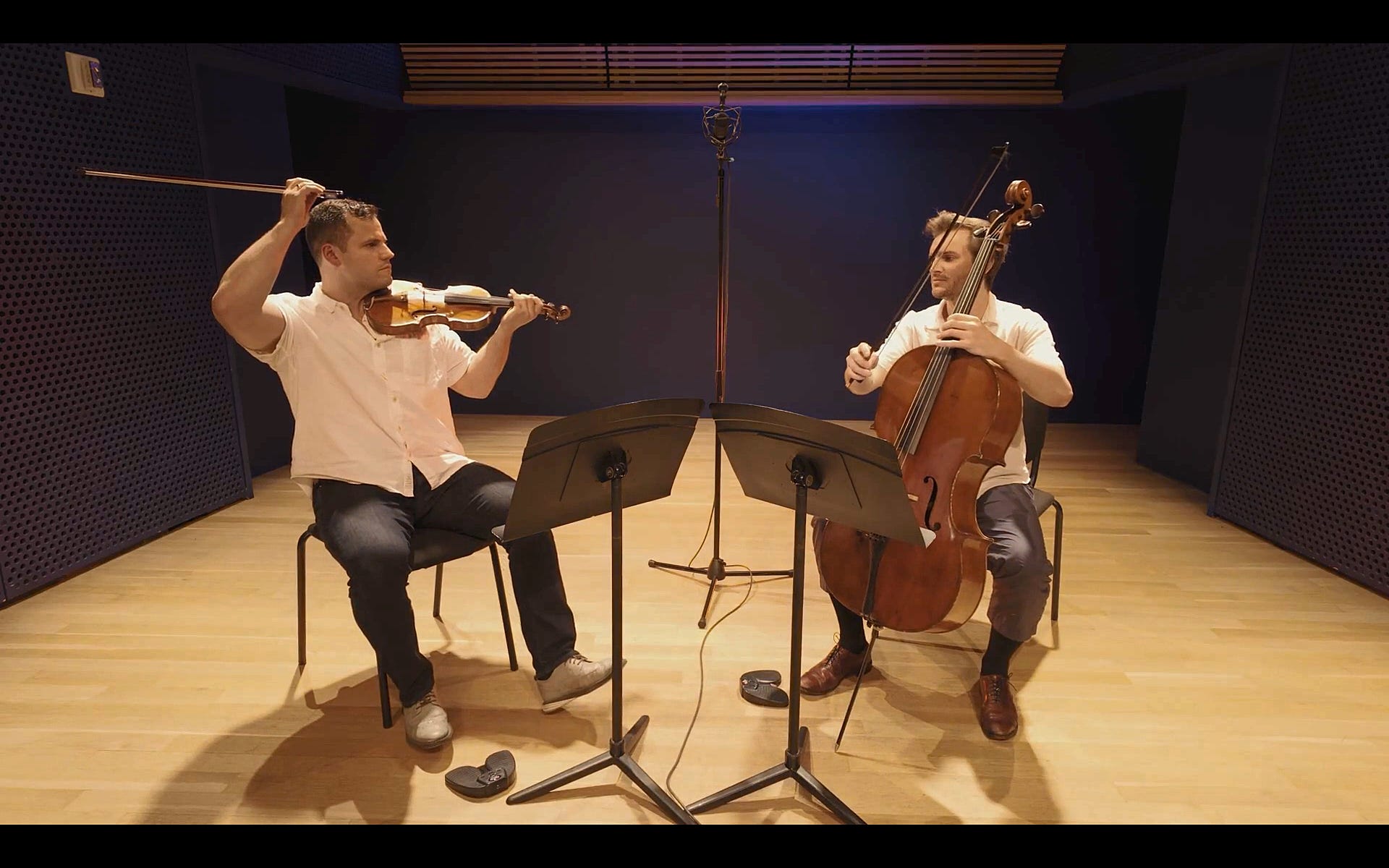
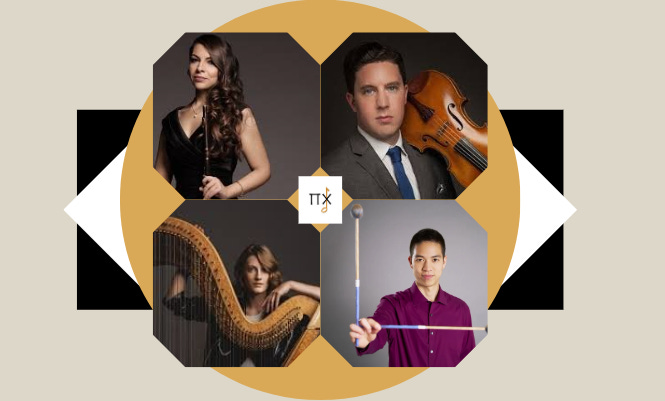
The first piece, Chordophilía, a word I made up which means “brotherhood of strings,” is a sonata for violin and cello which I wrote for my two friends, violinist Anthony Bracewell, and cellist Coleman Itzkoff. Anthony and Coleman have been friends since their teen years, where they got to know each other as students at Rice University. Their friendship, mutual respect, and delight in playing together comes through vividly in their performance. Duets are a special kind of collaboration. They demand that each focus completely on the other, which makes possible a uniquely wide expressive range for both. When a duet is performed by virtuosic players who have known each other for years, that range becomes even wider.
Chordophilía consists of four movements:
- Crooked World
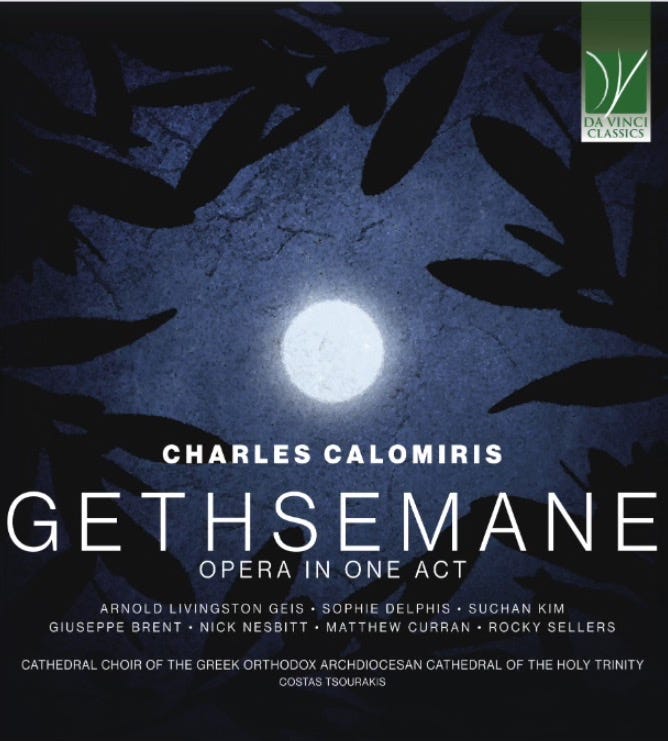
The first movement adapts a melody in 5/8 that I wrote for the aria, Easy for Him, from the opera, Gethsemane. In the opera, this aria is sung by the devil, and its lyrics challenge God’s theodicy (the divine justice of creation). - Vertigo Dream
The second movement (mainly in 6/8 and 3/4, with a section in 14/8) is a vertiginous dream sequence.Martyrdom - Martyrdom
The third movement (in 9/4) is an adaptation of the song about the December 2015 martyrdom of 21 Coptic Christians, What Will I Say? from the album, Songs from the Lost and Found. - Free to Play (which I think of as an evolving comradeship)
This final movement (mainly in 2/4) envisions friends at play, a triumph over all the crookedness, confusion, and suffering that precede it.
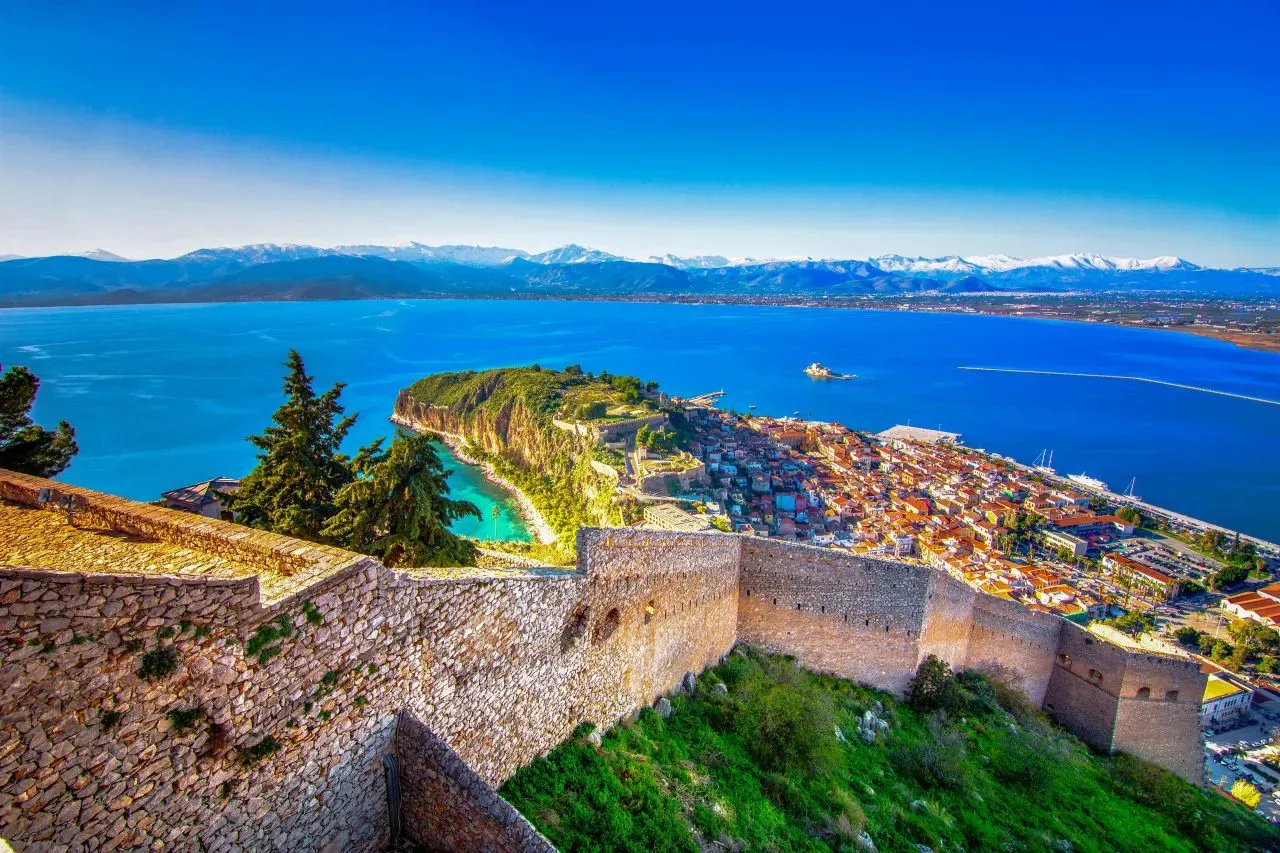
The Concerto Grosso Laïko is a tone poem that celebrates the resilience and indomitable spirit of common people, inspired by the Greek Revolutionary experience. The Concerto Grosso Laïko is divided into three movements – Tripolitsa, Mesolongi, and Navarino – which refer to three notable locations of the Greek Revolutionary War’s struggle: an early major victory, a city’s siege and massacre in the middle of the War, and the decisive victory that made the Revolution successful.
In his landmark book, The Greek Revolution: 1821 and the Making of Modern Europe, Mark Mazower writes that “the revolution of 1821 had succeeded because beyond the epic and oft-celebrated moments of individual bravery and self-sacrifice, it was fundamentally a story of social endurance in the face of systemic upheaval. It was not so much their victories that gave the Greeks independence as it was their refusal to accept defeat.”
Enlightenment ideas of freedom, or simply nationalism, may have motivated some of the Greeks’ leaders to take up arms, but it was common peoples’ willingness to sacrifice until victory was achieved that produced the Revolution’s success. That social commitment to sacrifice was not grounded primarily in abstract ideas of polity or culture, but rather in concrete and personal connections among individuals – the philía of brotherhood/comradeship on and off the battlefield that made individuals willing to sacrifice. Concerto Grosso Laïko is about that aspect of philía.
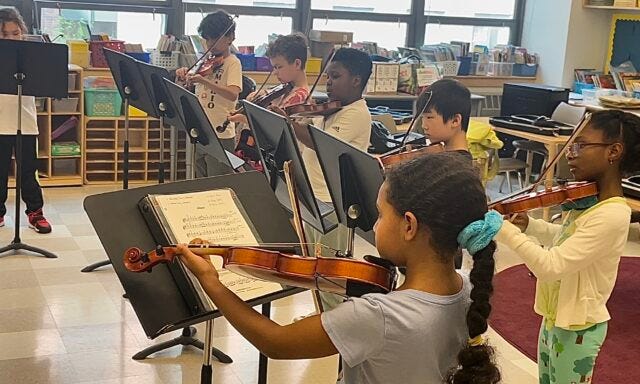
When I conceived the piece, I was unsure whether to produce it with a full symphony orchestra or a chamber orchestra. Both have appeal, but I chose the latter for two reasons. First, I am attracted to the transparency and individuality of expression that comes from assigning one instrument to each voice. Second, as in Chordophilía, I wanted to emphasize the relationships between individual performers (their philía) and the unique drama that arises from the duets and trios and quartets that occur within each of the movements, which the chamber structure makes possible.
I was thrilled when Maestro Mark Shapiro agreed to conduct the piece, and working with him was a delightful and instructive collaboration for the Pano Hora Ensemble, and for me personally. We all hope that this is the beginning of many more such collaborations.
I cannot wait for the September release of Philía. I am grateful to all the musicians that made it possible, and to our partner, DaVinci Classics, for their continuing interest in publishing our music throughout the last four years.



.avif)
.png)
.png)


.png)


.png)


.jpg)
