My father used to tell me, especially when we were alone on many memorable car rides to school in the morning, or to bouzouki lessons on Saturdays: “The worst thing to be is aharistos.” I was just a boy, and I wanted to avoid being that worst thing, but my Greek was not so good, and I probably looked puzzled the first time he said that. “In English,” he said, “the closest translation is ungrateful, but aharistos is much more than ungrateful.” Then he would explain the human failing of aharistia, the incapacity to appreciate the gifts we are given, which I have since learned is, from a theological perspective, the beginning of all sin.
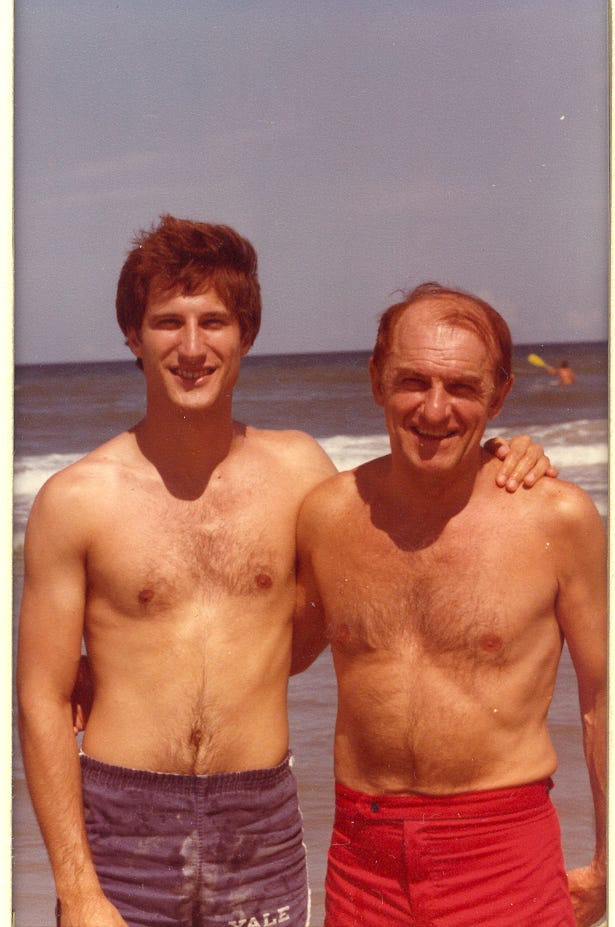
My father’s eyes flared in anger as he would recount various examples of aharistia he had witnessed in his life to try to impress on me that the word ingratitude is insufficient to capture this human failing that I must avoid. He directed these words at me with great passion—maybe he saw a risk of narcissism in that teenager. I recognized at the time, listening to him, that I was learning something important, even if in retrospect I now realize that it takes a lifetime to truly understand what it means to appreciate the gifts we are given, especially the people we are given, who are much more than the word gift can convey.
This Spring has been an amazing time of encouragement for our Ensemble, and I want to take a moment to thank three people, in particular, for all they have done to encourage us and to make our recent efforts successful.
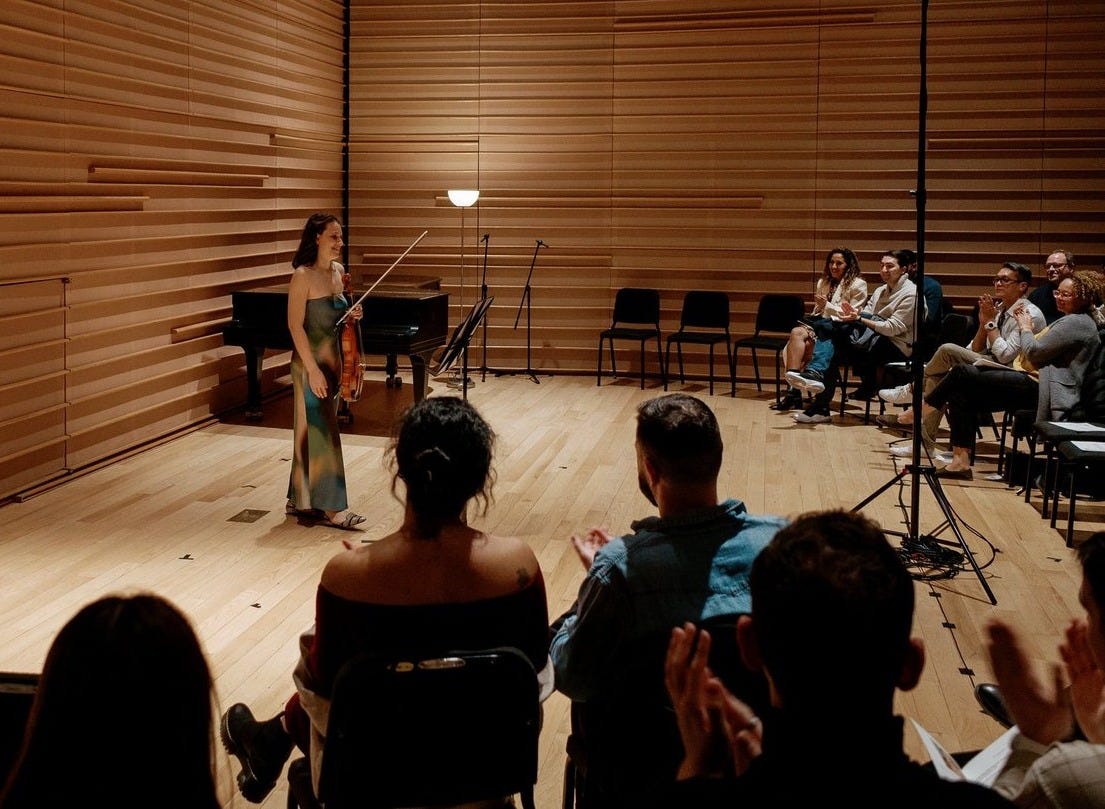
About a month ago, we had a recording session at Eastside Sound. We recorded five tracks that will appear on our future album, Phrygian Gold. One of those tracks (Dancing Horses) features (among others) Noémie Chemali on viola. I got to know Noémie initially because of her helpfulness in advising us about various grant applications. Noémie is also a composer (see her recent album, Op. 961) and she is particularly familiar with Arabic music. She pointed me to a 13/4 (Al Mouraba) rhythm used in that musical tradition to get horses and camels to dance. Yes, really; they dance. I found the idea irresistible, but despite spending hours listening to various examples, I just couldn’t get that rhythm into my Greek-American bones. But I let go of trying to imitate the rhythm and instead allowed myself to write a piece for dancing horses in 9/4 inspired by the Arabic examples (Maybe 9/4 is what Greek-American horses dance to? I am not sure. My daughter Eleni owns a horse and has promised to test it.) Anyway, when I wrote Dancing Horses I made sure to write a prominent viola part, and Noémie was kind enough to play it on the recording. I am most appreciative, and happy to welcome her to the Ensemble.
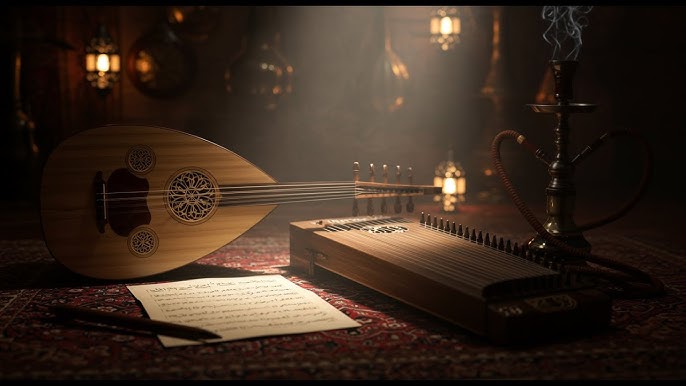
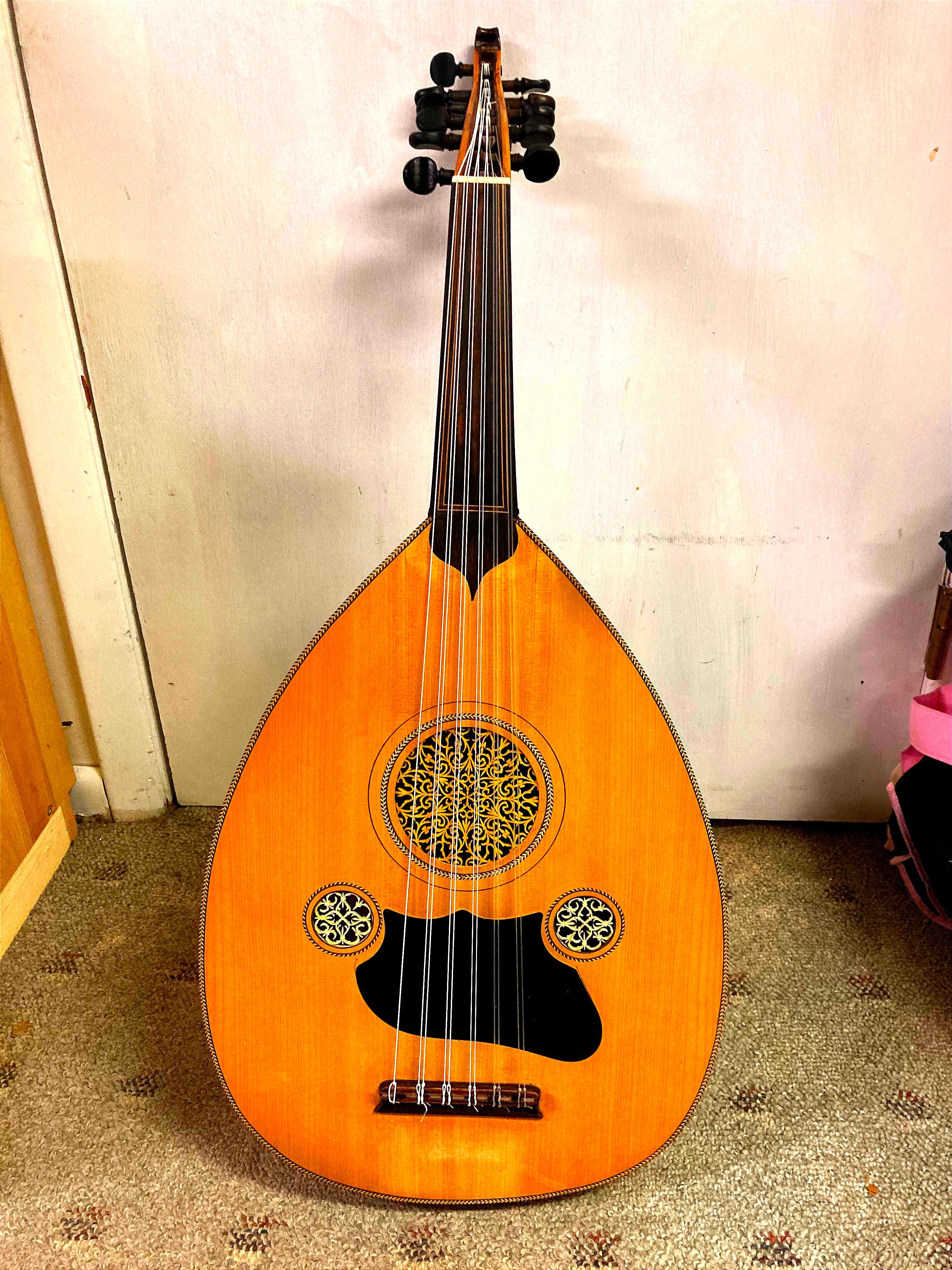
On that same track, my friend and teacher, Ara Dinkjian, is featured on oud. One of the great oud players of our time, Ara has graced several of our prior albums, and he will be heard on three Phrygian Gold tracks. Whenever I ask Ara for advice, he says I don’t need his advice; he tells me to trust my own instincts (which, of course, is great advice). At last month’s session, I had written some particularly challenging oud riffs for him to play. I worried that they were a bit non-idiomatic and perhaps needlessly complicated, and I expressed those concerns. At the end of the session he said, “Charles, playing your music makes me a better oud player.” I was speechless. Some people just know how to be loving.
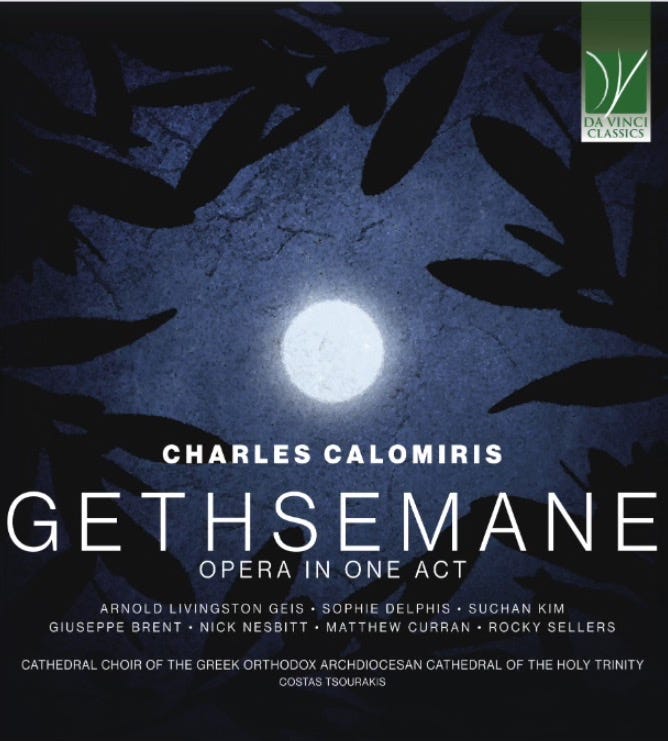
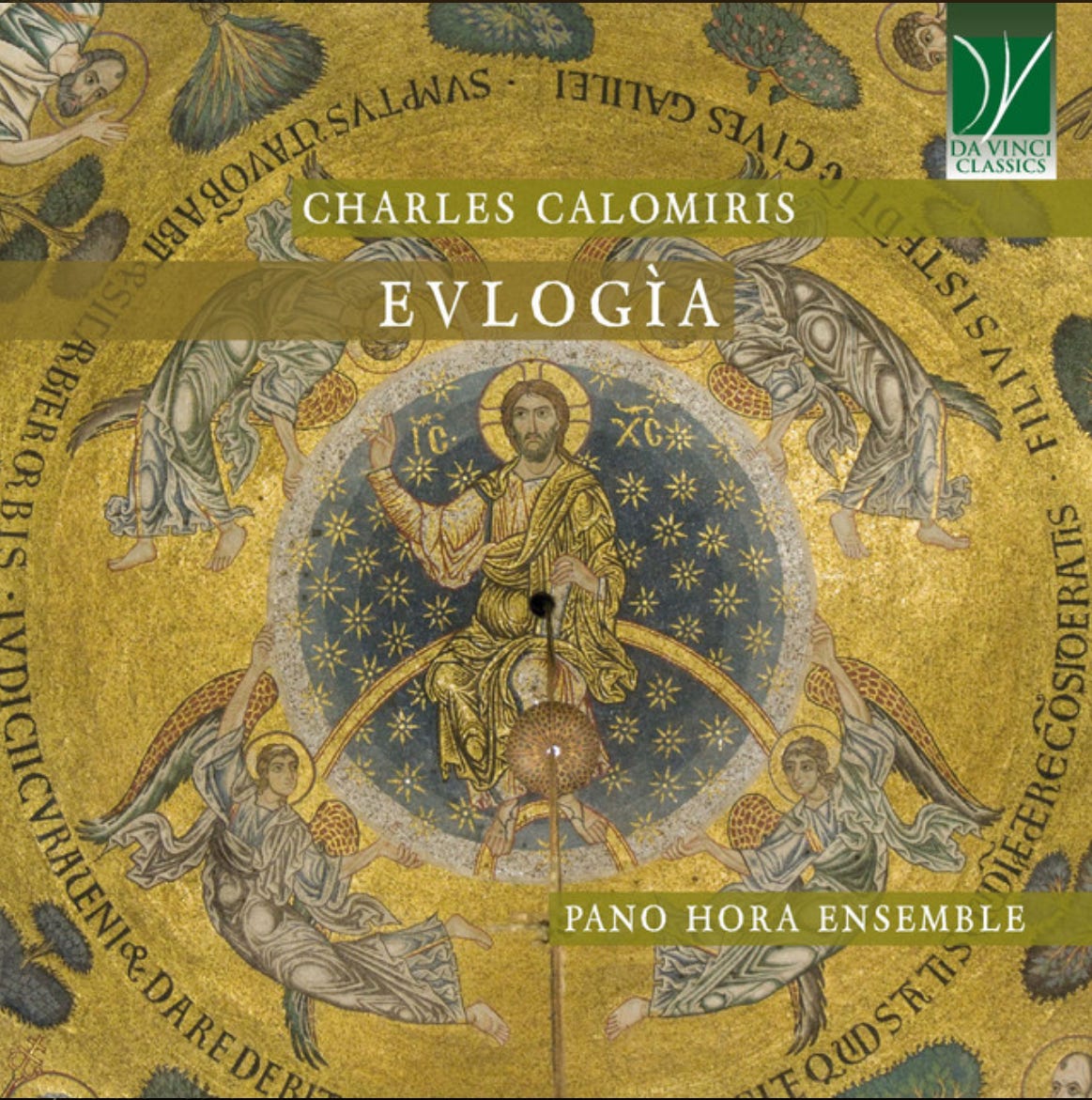
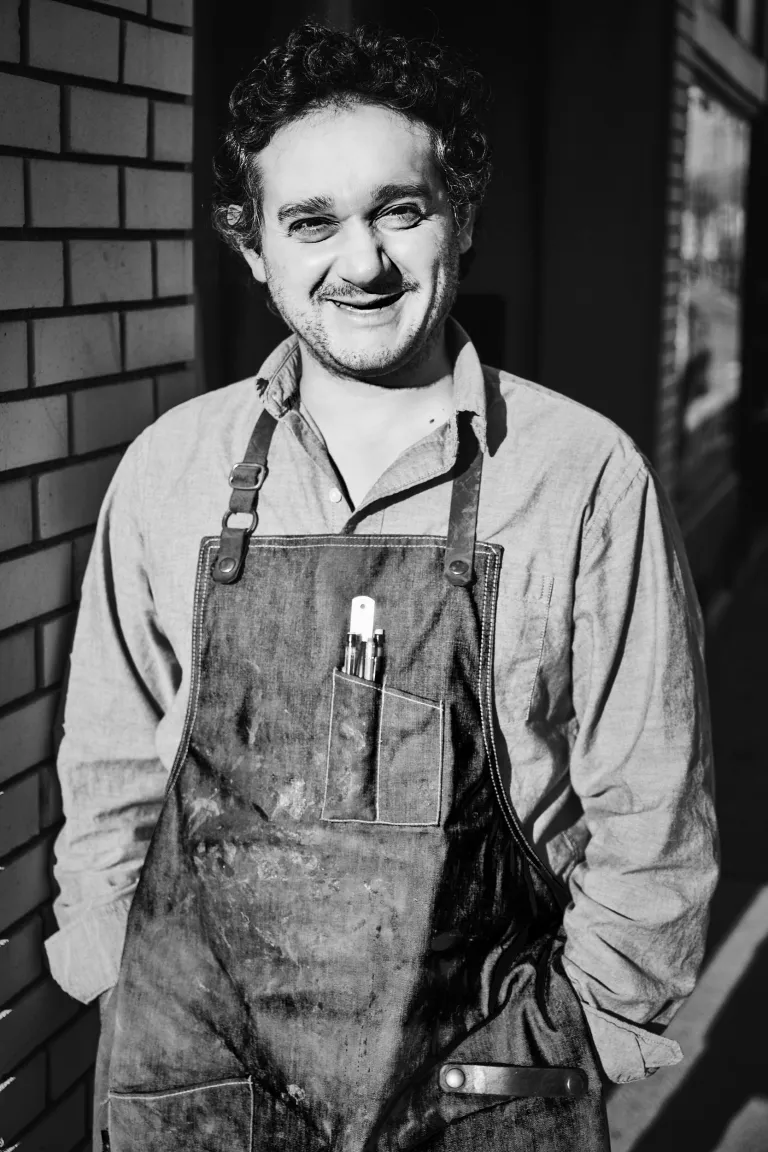
Finally, I must (once again) recognize the contribution of our friend, Edmondo Filippini, the publisher of DaVinci Classics, who has been a consistent source of encouragement for our Ensemble (readers of Ákou may recall our February 2, 2026 installment, “DaVinci Classics to Publish New Album, Philía, in Fall 2026,” in which I wrote about Edmondo’s generosity of spirit in reacting to a costly error I made early in our collaboration).
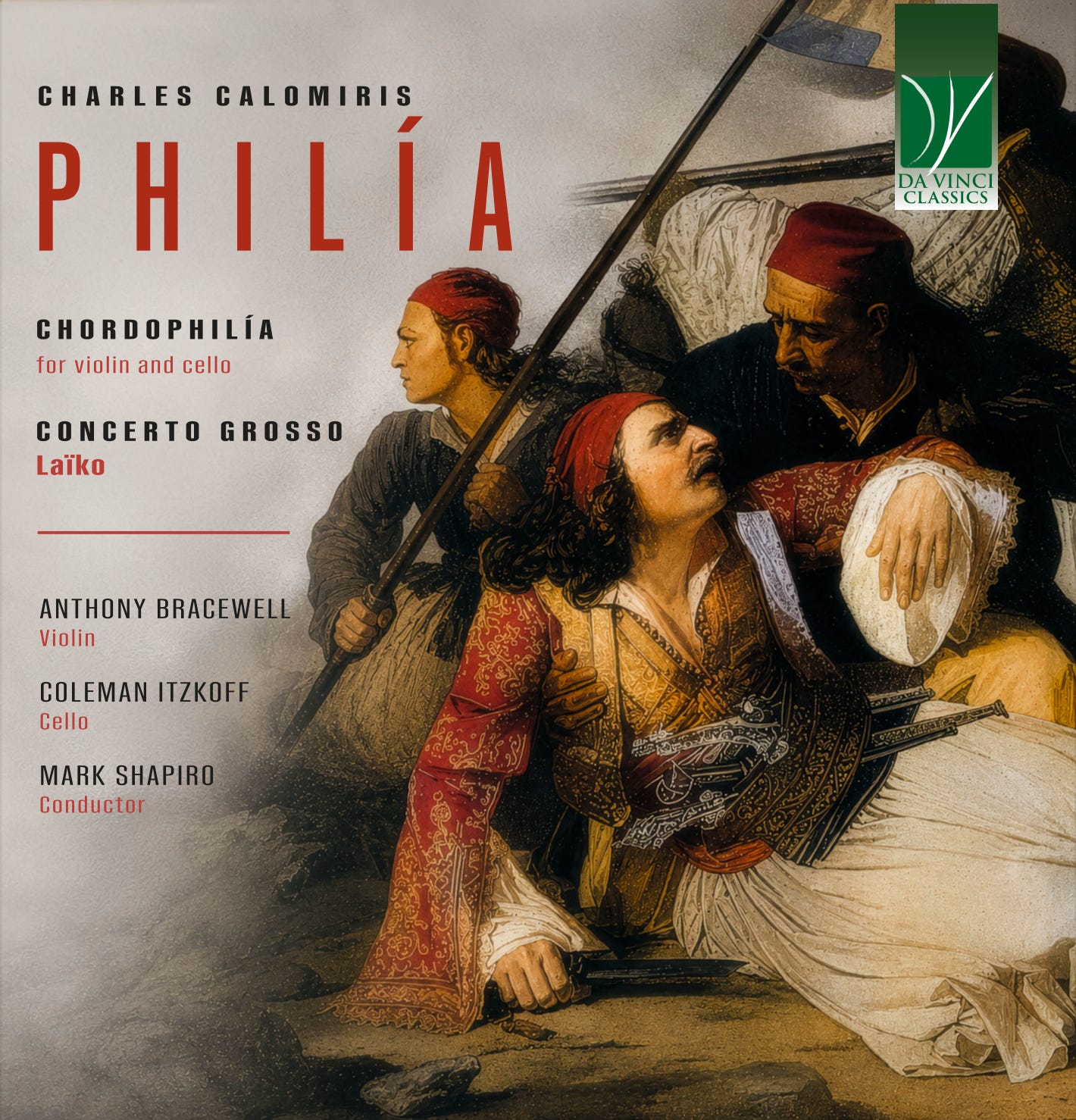
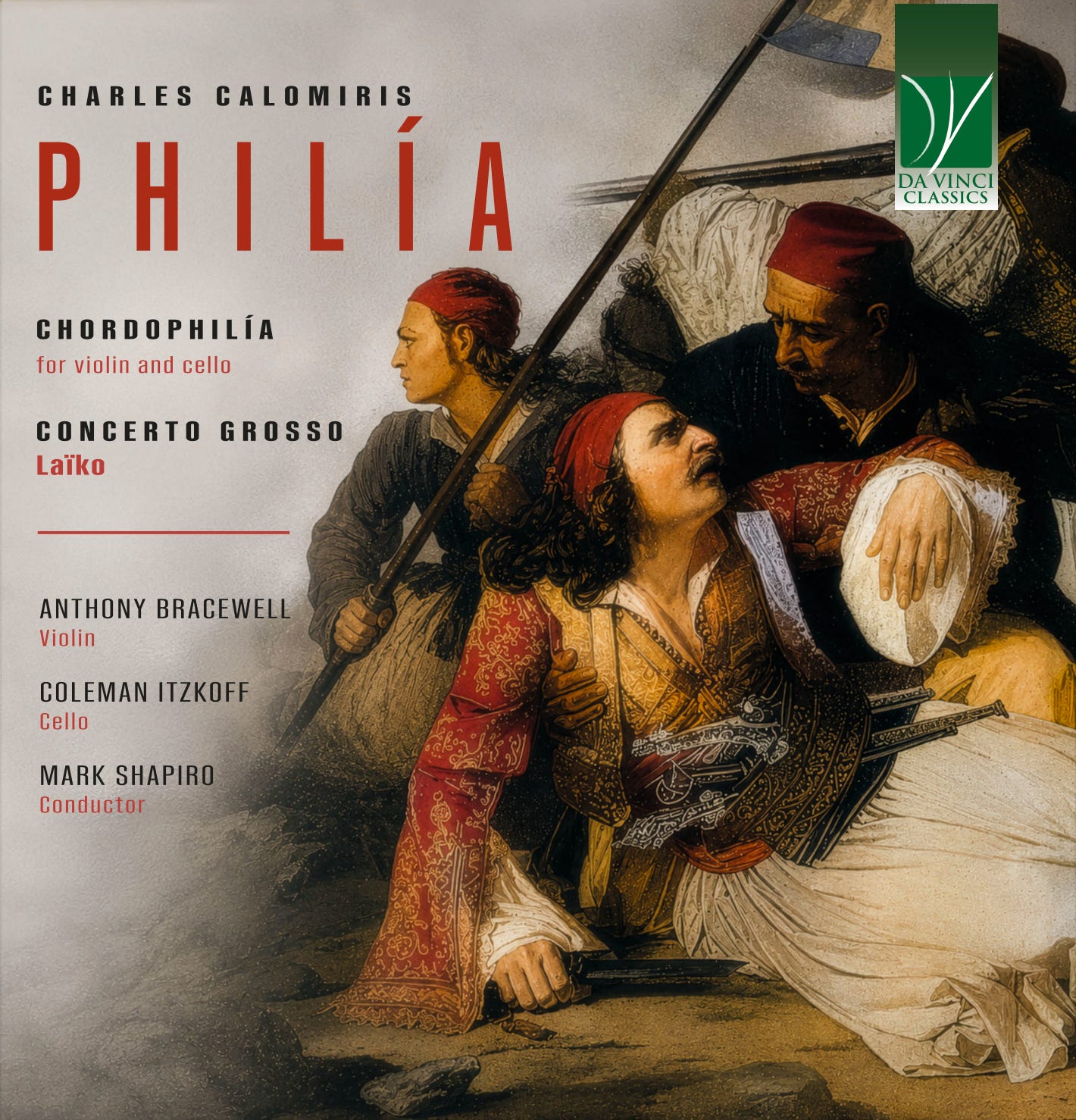
I have been working with Edmondo on the production of our next album, Philía, which is now ready for its upcoming release. Edmondo always takes a personal interest in the production of our albums, including the artwork, layout, and text, and I have learned to trust his judgment in all things. This time, he surprised me by asking if I would be open to his adding a contribution of his own to the program notes. Of course, I was excited to see what he wanted to say. When he sent me his contribution I experienced something I have never experienced before: reading someone else’s insights— many of them— about my music that got me to see things clearly that I had been only dimly conscious of before. Edmondo’s words about the two pieces, Concerto Grosso Laїko and Chordophilía, will appear in the program notes to the album, but I want to feature several excerpts here because they are profoundly meaningful to me (and one of the unfortunate things about listening by streaming, instead of CD listening, is that program notes are not included in the experience).
In modern Greek musical thought, identity has rarely been a simple matter of inheritance. It has more often been a field of negotiation: between ancient memory and modern language, between Byzantine and Ottoman legacies, between folk practice and urban culture, between European art music and the wider Greek diaspora.
[In Philía]…tradition is not treated as a storehouse of picturesque materials, but an active force: something to be reimagined, reorganized, and made audible through the relationships among performers.
…Concerto Grosso Laїko does not seek an archaeological Greece, nor does it present the War of Independence as ceremonial pageantry. Instead it approaches Greek history through a dramaturgy of collective action.
…The word laїko…points toward a social idea of music, one in which the historical subject is not the solitary hero but the community that persists.
…The chamber orchestra makes this possible with particular clarity. Its reduced forces preserve the transparency of chamber music, yet its internal groupings—duets, trios, quartets, and shifting concertante alliances—allow the music to move between intimacy and public utterance…distinct agents joined in common purpose.
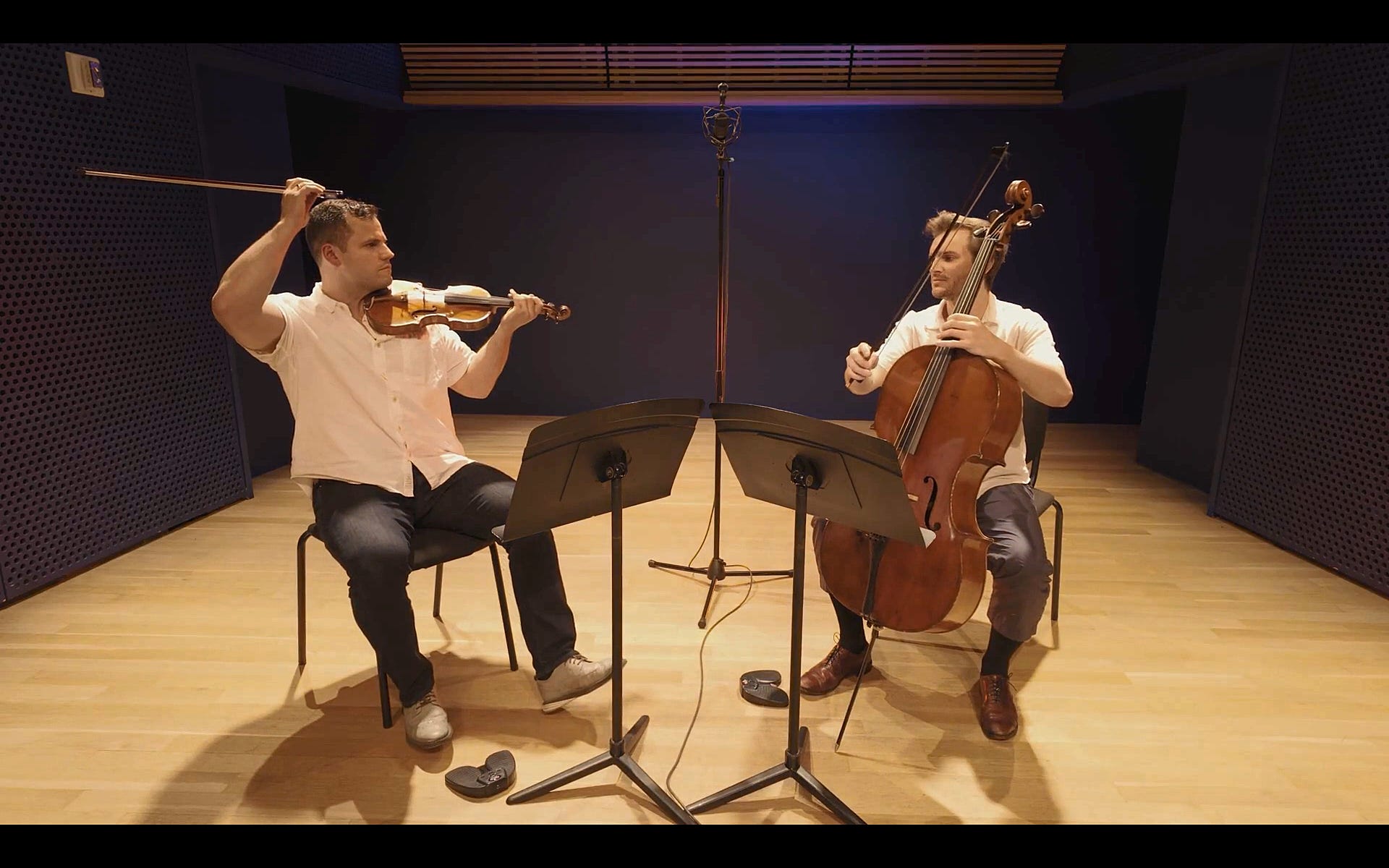
[The violin-cello sonata, Chordophilía] makes musical friendship audible because it leaves no place to hide. Every gesture is both personal and relational; every line must lead and listen at once. In this sense, the duo becomes a small ethical theater, a space in which virtuosity is inseparable from trust.
Philía, then, is not only the subject of these works. It is their method. It shapes the way instruments converse, oppose, imitate, support, and answer one another…Calomiris’s music does not illustrate brotherhood from the outside; it builds it from within, through the disciplined intimacy of performance.
...the album brings together two dimensions of musical life often kept apart: the private fellowship of musicians and the public memory of a community. The result is a music of relationship—at once personal, historical, and deeply theatrical.
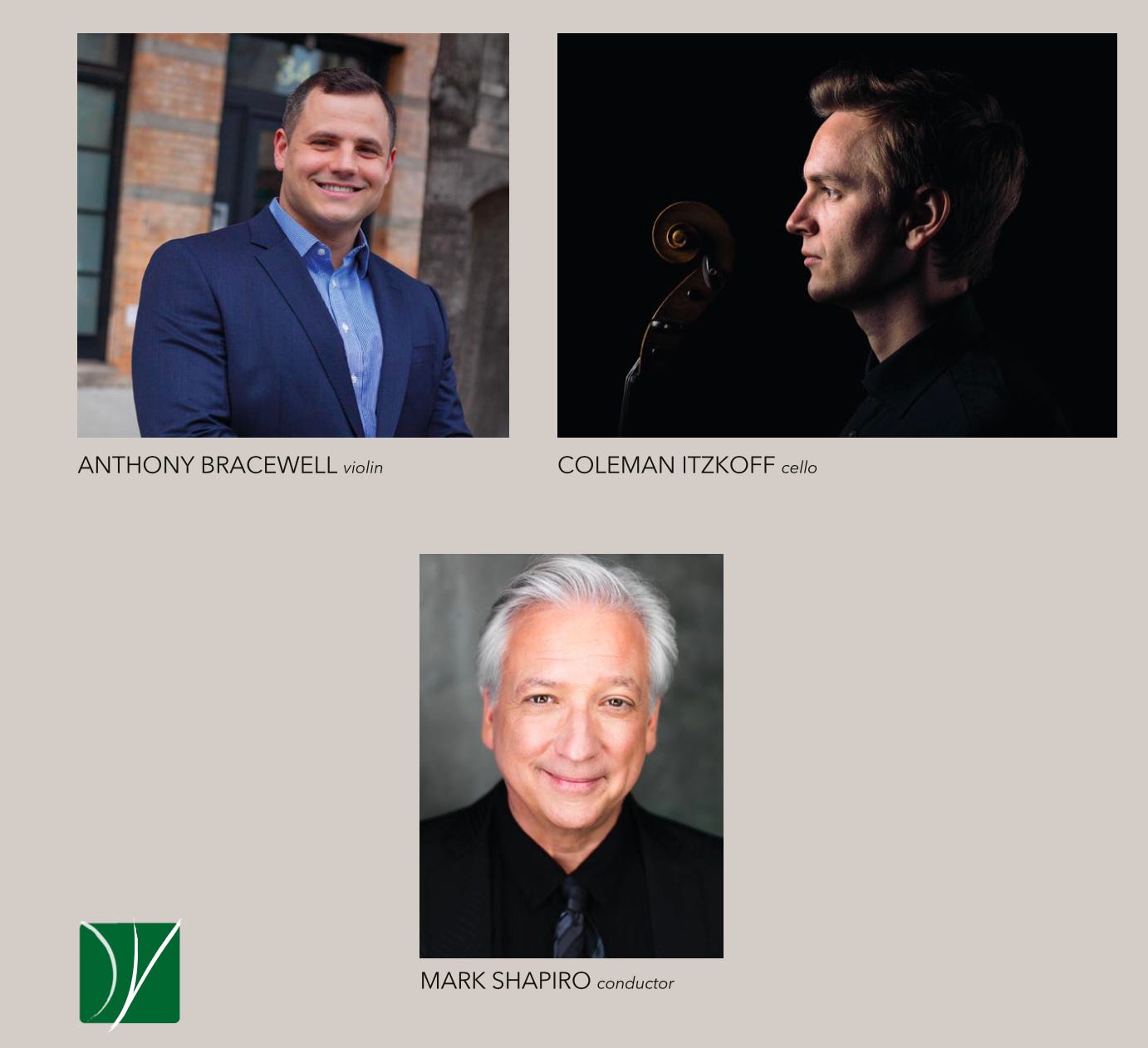
I would add to Edmondo’s words only the obvious recognition that it is the philía I experience constantly with my collaborators—performers, engineers, publisher, and listeners— that inspires everything I write. I am deeply grateful to all of you, and I am looking forward so much to the release of Philía so that my ineffable experience of friendship and gratitude can be made manifest to all of you in music.



.avif)
.png)
.png)


.png)


.png)


.jpg)
