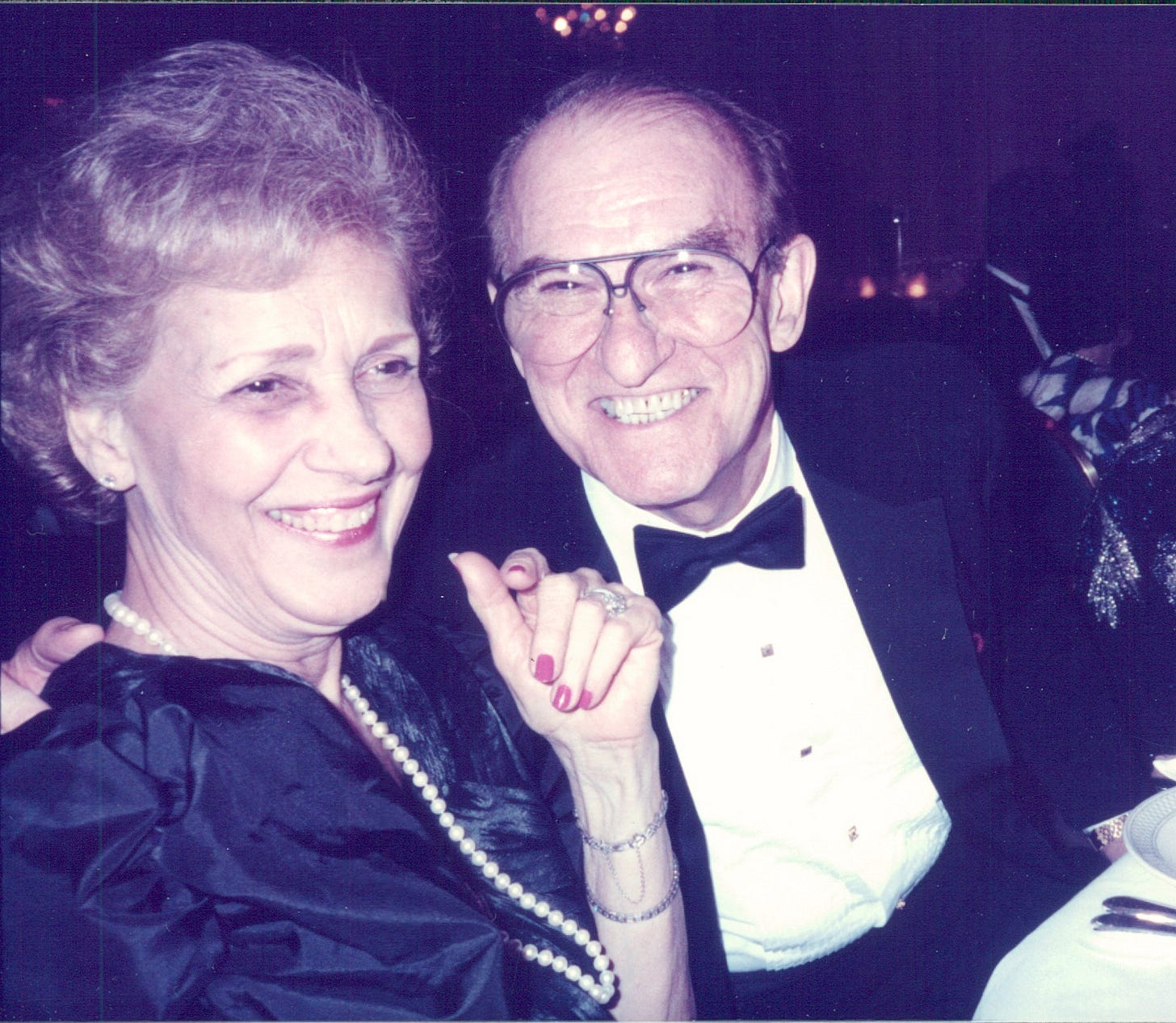
I grew up in a world that disappeared long ago, populated by people and music that were unforgettable. My older sisters, Kathy and Jenifer, played classical music on the piano. On what my Dad called the “Victrola,” he played recordings, especially those of Frank Sinatra, Nat Cole, and Harry Belafonte. I remember, for example, Belafonte’s 1961 Jump Up Calypso, album, with songs like Gloria: “Please marry me, Gloria. Darling, can’t you see, Gloria, With all your faults, I want you like a long dose of Epsom salts.”
And we also listened to a lot of music from Greece, which was remarkably diverse. Rural folk (dimotika) songs are used for most traditional dancing. The tsamikos was the most popular dance for Peloponnesians like my father’s family, while the ballos was favored on my mother’s island of Naxos. Rebetiko is quite different, a kind of Greek blues, which has its own dances. The international, bel canto style was yet another popular style of music in Greece in the 1950s and 1960s, and its greatest singer-songwriter, Nikos Gounaris, was a family friend.
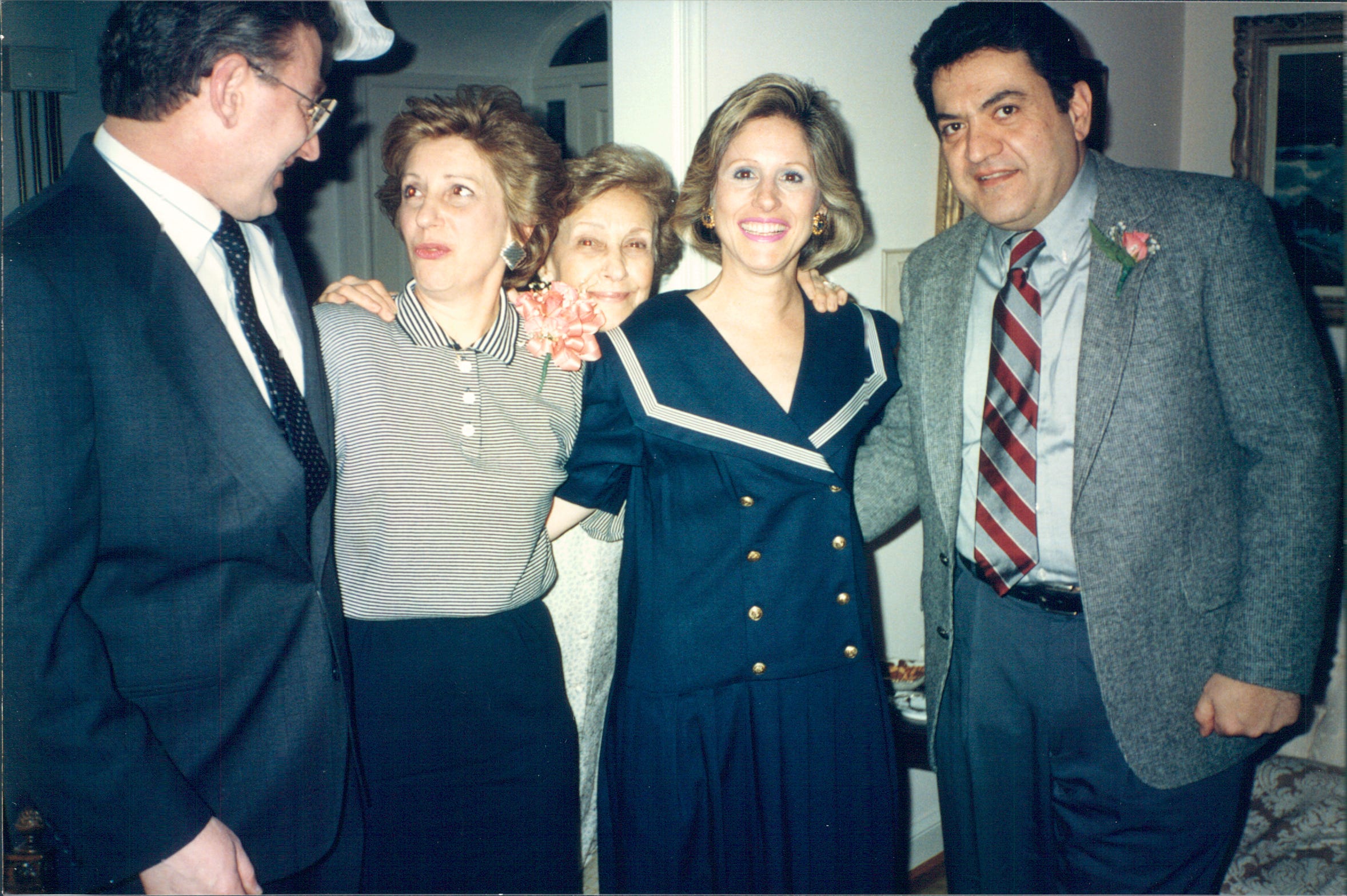
I remember watching Gounaris sing and play guitar at my Aunt Helen and Uncle Mike’s house when he visited Washington, DC. His greatest musical achievement (not his biggest hit) was a piece called Allakh, a crying-to-God song about a Muslim man who lost his woman to a non-Muslim. It gave Gounaris’s lovely tenor voice the chance to impersonate a prayerful Muezzin, and its musical complexity opened the door for his virtuosic guitar playing (at great length—the track goes on for eight and a half minutes).
My cousin, Stratton, played the guitar and sang many of Gounaris’s songs. His brother, George, played improvisational piano. I was lucky to grow up physically close to the production of real music by real people, especially the piano and guitar playing by my sisters and cousins. Family parties often featured live performances, and sometimes Greek dancing, too.
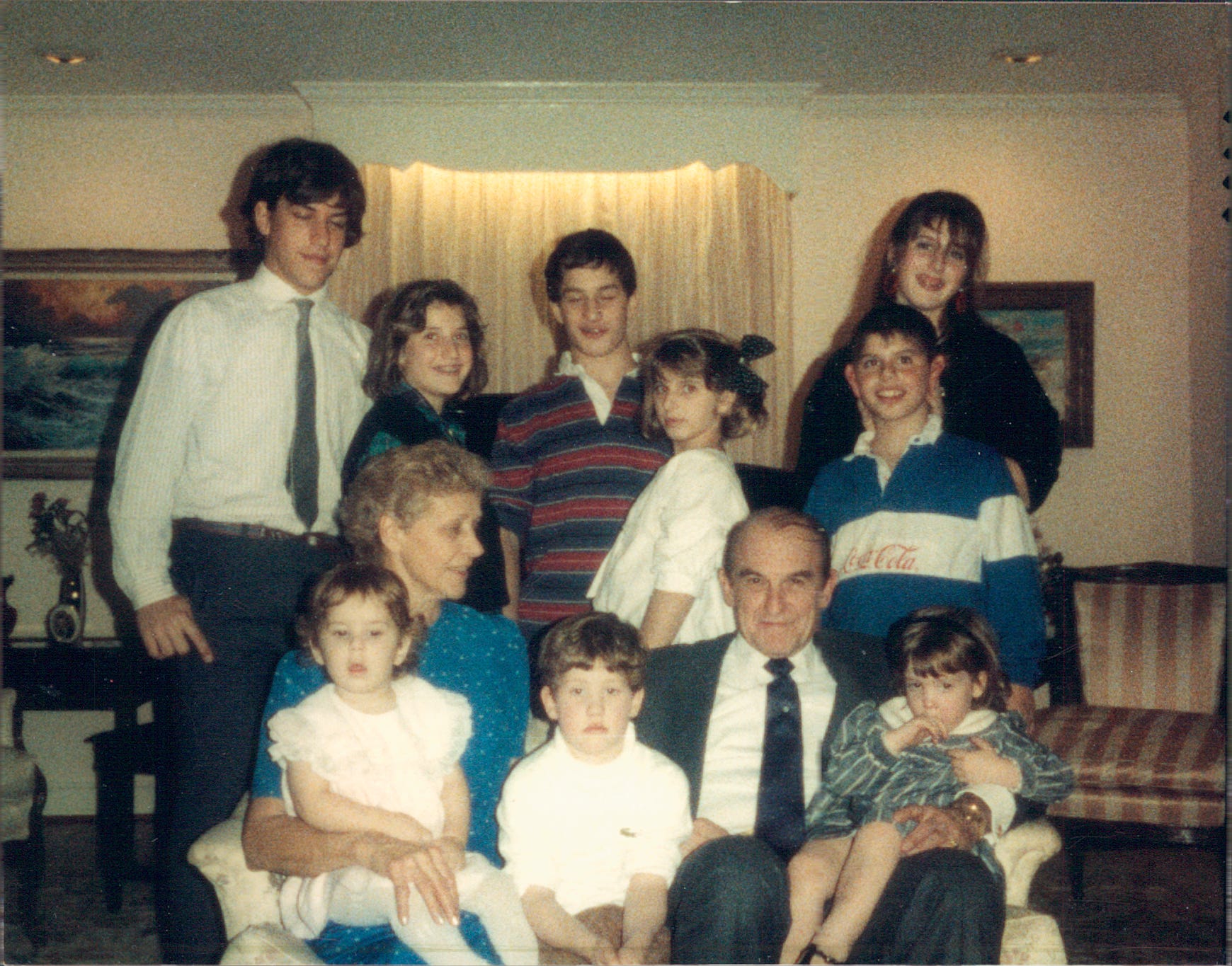
I played around with various instruments as a boy. Then on one of my Aunt Toula’s trips visiting us from Greece, she brought me a bouzouki. I think it was my brother-in-law, Angelo, who heard about bouzouki lessons on the Saturday Greek radio program. He wrote down the number, passed it along, and I was soon getting lessons from one of the great players of his generation, John (Giannis) Tatasopoulous.
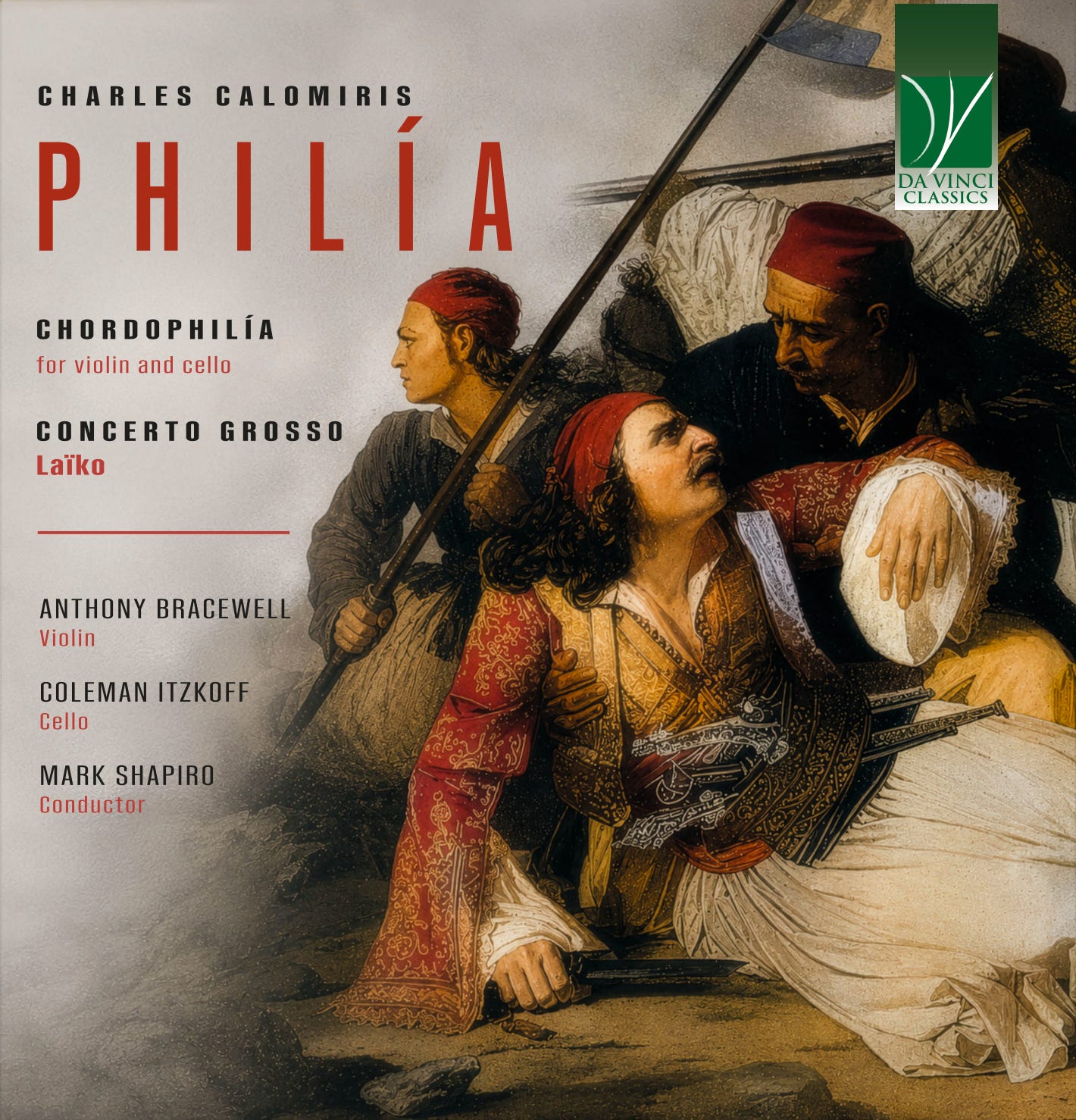
Although I loved Gounaris’s music (I learned most of his songs by heart), by the time I was a teenager, Greek music had been taken over by the twin composing geniuses, Manos Hadjidakis and Mikis Theodorakis. I didn’t realize at the time that they not only had elevated the whole genre of Greek popular music, written internationally acclaimed film scores, and penned some of the most beautiful classical song cycles ever written, they also were pioneering a new genre of music (Éntekno) that bridged classical and popular musical worlds in a unique way. It is hard to imagine the Pano Hora Ensemble coming into existence without that influence.
A big challenge for me as a teenager was to learn the words to their songs. The lyrics of this new music featured the work of accomplished poets, like Nikos Gatsos and Odysseas Elytis. Some of the themes were surrealistic. I could speak a little Greek, but their lyrics were beyond my rudimentary vocabulary. Luckily, I had a secret weapon. Her name was Mary. First, some background.
In prior blogs, I have written a lot about my father, William (Vasilis). He was a larger-than-life character, a great encourager to his whole family and so many others in all sorts of things. My mother, Mary, was encouraging too, but in a quieter way. When I think about my memorable conversations with Mom, they were often about very practical things.
For example, she once sat me down to explain the importance of saving. She had saved pennies and nickels as a little girl, depositing her milk money into a Postal Savings account each day on her way to school. One day, her father needed money, and she withdrew it all and handed it over to him. He was angry at first, thinking she had stolen it, but she explained that she had just been saving little bits for years. Then she gave me a test. “Who is the first person you must pay when you get a paycheck?” I had no clue, and guessed: “The landlord?” thinking that made sense: no one wants to lose their home, and also my family was in the apartment renting business. “No. Yourself! Before, spending anything, put 5% into your savings account.”
Another of her practical lessons was about friendship. Once she asked about a friend she hadn’t heard me speak of for a while. I said that I wasn’t seeing much of him. She frowned and told me not to dispose of people. That lesson sunk in deeply, partly because I could see that doing otherwise would disappoint her.
Mom spent the bulk of her life cooking, cleaning, and shopping for groceries and other things her family needed. She believed in getting high-quality items, but she was extremely frugal. She clipped coupons and made Dad drive her all around the city to cash the coupons in, and they did that even when they were in their 70s.
Mom was a gifted cook, although she mainly prepared a small number of traditional dishes she had learned from her mother. In the summer, she would make us peach freezes to fight the heat and humidity of DC. When she surprised us by announcing on the intercom that they were available, I remember flying down the stairs to get one. I still dream of those. My earliest childhood memory of her, when I was three years old, was watching Mom climb a stepladder to wash the walls of the living room at Cummings Lane.
Unlike my Dad, Mom seemed to have little interest in politics or philosophy or the arts. Although she was happy to see me working hard in school (for practical reasons), she would tell me to take breaks: “Doesn’t all that reading make you tired?”
There were, however, exceptions to her studied practicality. She liked to dance at parties. And she liked poetry. Not that she ever told me so. Here’s how I found out.
One day Mom saw me sitting in front of a speaker listening to a Theodorakis album, which featured the unparalleled singing of Grigoris Bithikotsis. I was trying to figure out the Greek words he was singing. She could tell I was struggling. “I can write them out for you.”
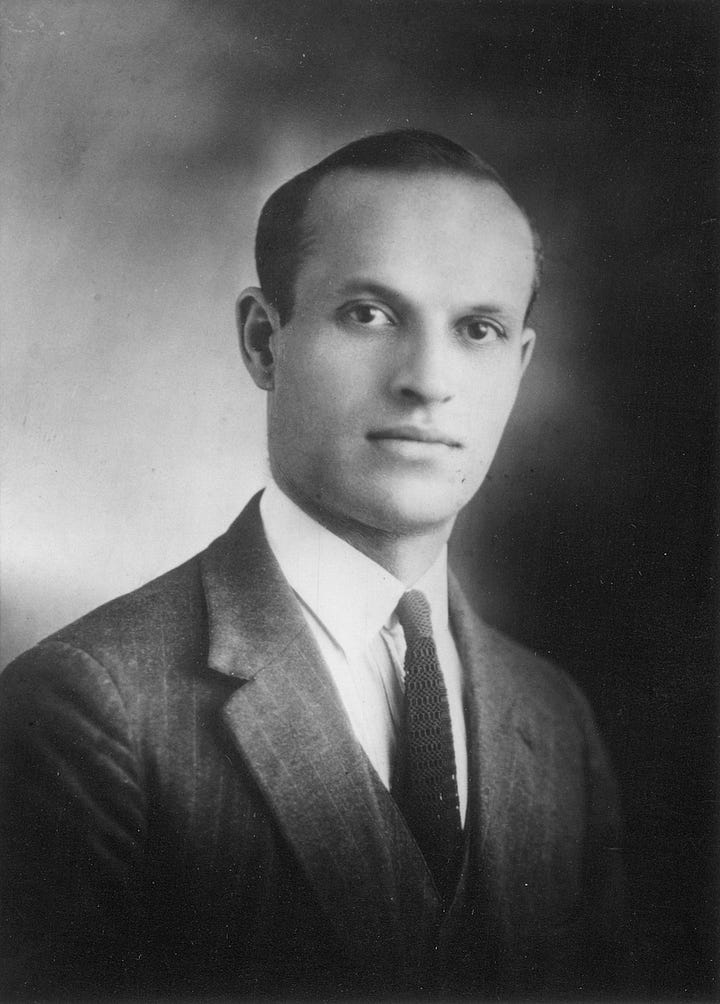
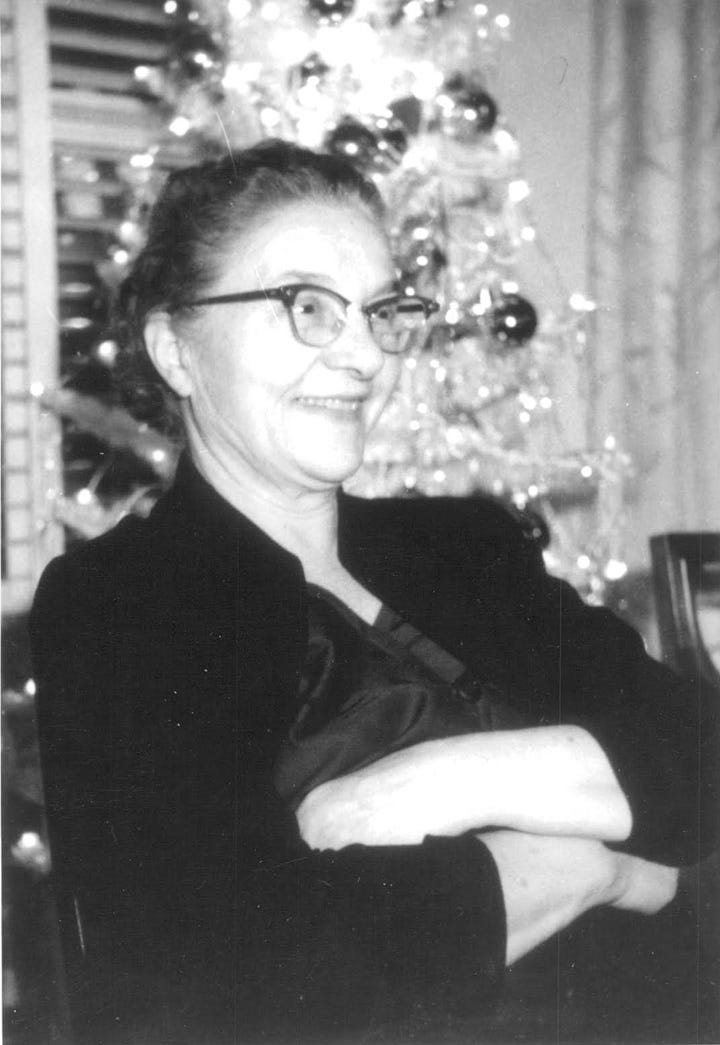
I always knew that Mom was a fluent Greek speaker. She had immigrated via Ellis Island with her mother, Catina, her father, Efstratios (given the name Charles by someone on arriving in America), and her three-year old sister, Toula, leaving their village of Koronos on the island of Naxos when little Mary was only one year old. In her home growing up, Greek was the language spoken. Her father was a chanter at the Greek Orthodox church they attended, Saint Sophia, and he was unusually well-educated for someone born in a small village, which I suppose was connected to the fact that his father was a priest. Efstratios kept a diary in Greek recounting his journey to DC when he first arrived in the US to look for work, years before he brought the rest of the family over. I read parts of it once and was impressed by the level of his thinking and writing. Clearly, he was no bumpkin.
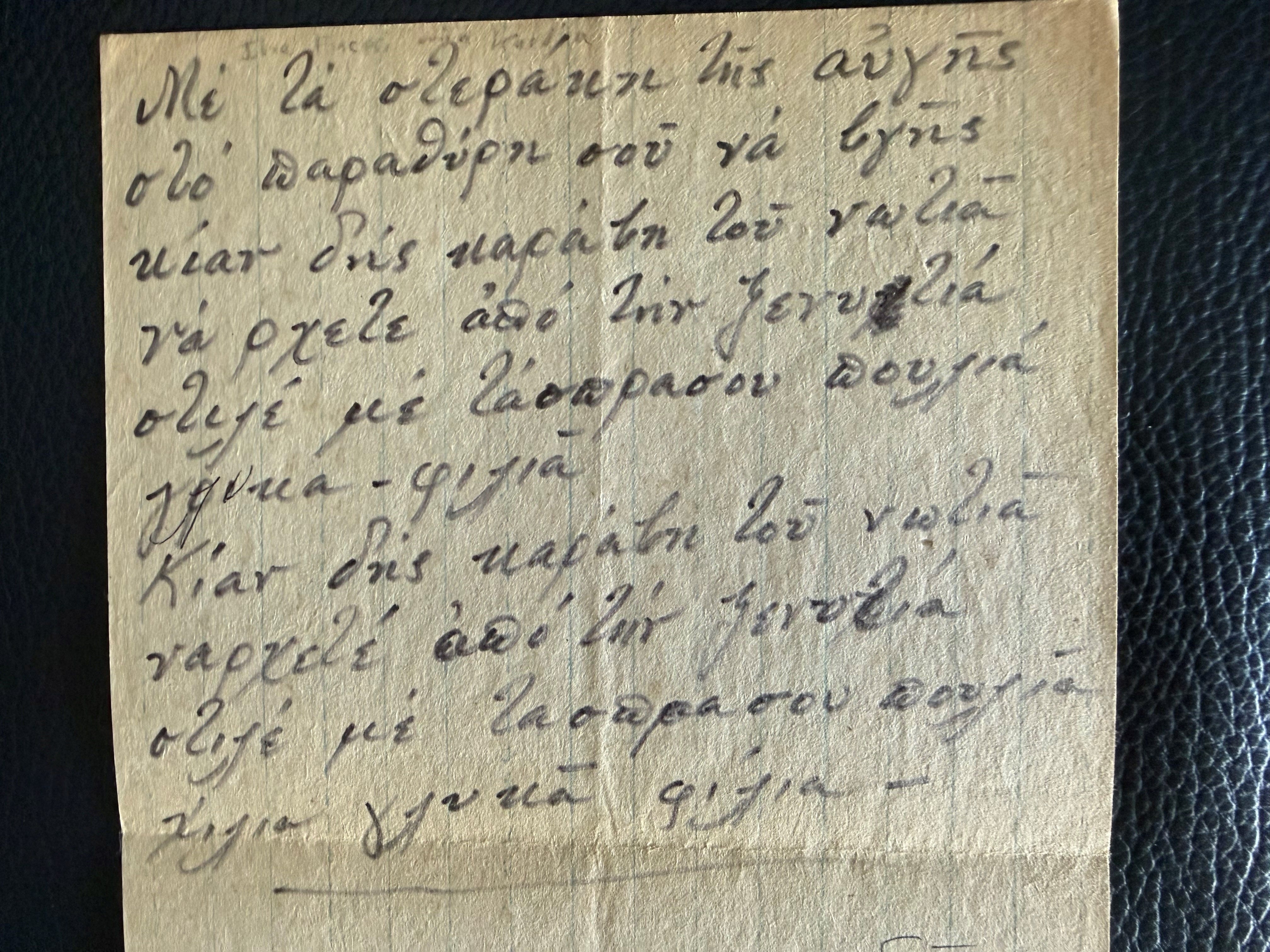
Mom’s written Greek was also impressive to behold, partly because she had such beautiful handwriting. But I’d never seen her transcribe complicated Greek poetry, and I wasn’t sure her vocabulary was up to it—that is, until the day she saw me struggling in front of the speaker to figure out what Grigoris was singing.
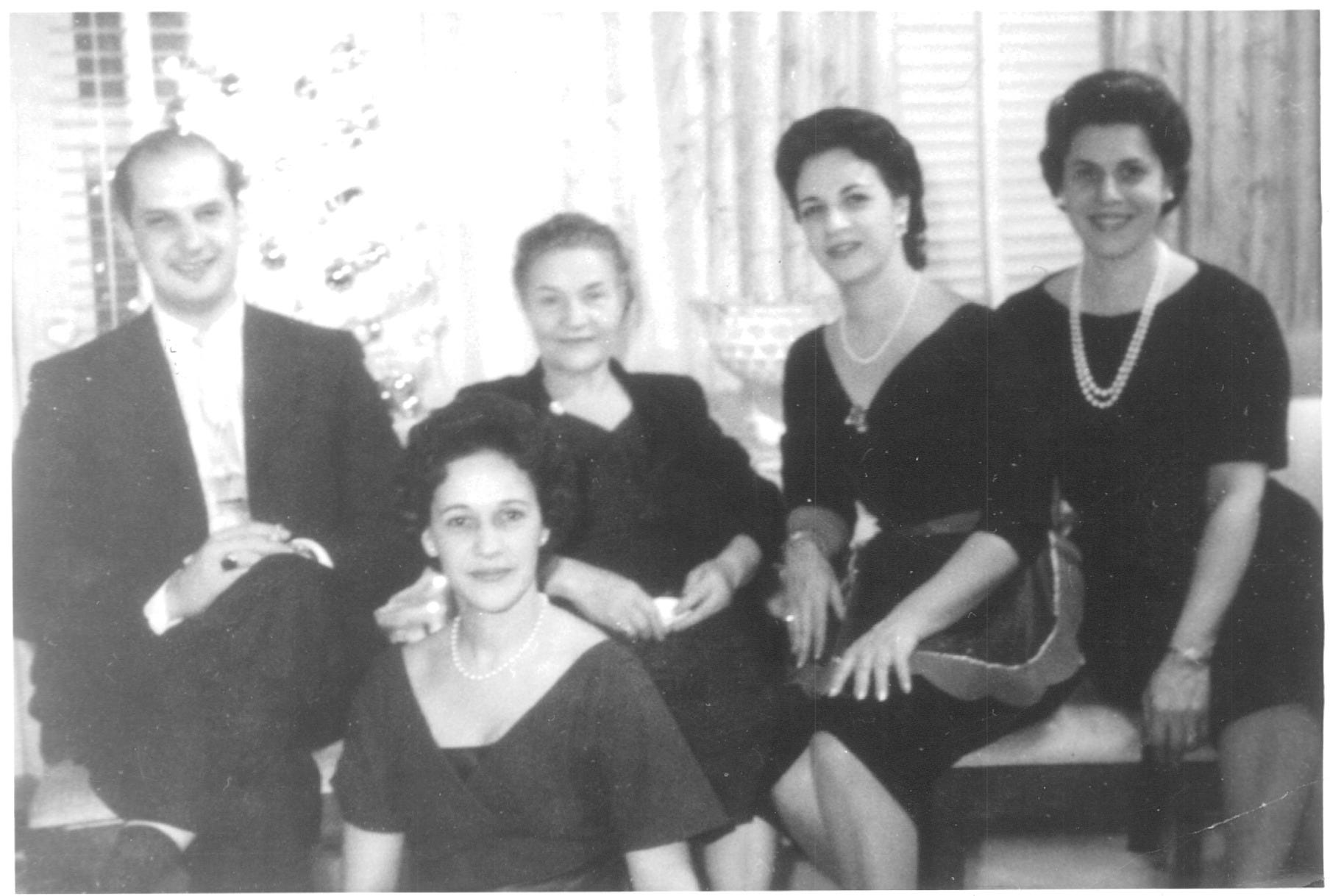
We spent the afternoon listening together, and she carefully wrote out each sentence. It was a precious time together that I will never forget. Those lyrics connected us in a new way and made me appreciate her in a new way. Mom cared about getting the lyrics right, and she tried to convey to me the shadows of the meanings of the words she was writing down. I don’t think Mom finished high school, and at that time, I was on my way to college and beyond, but in that moment, I was soaking in whatever she could share with me. It made her smile. It made us both smile.
Mom wrote out a dozen songs for me that day. I still have all the handwritten originals. They are in my treasure drawer along with the writings and drawings my daughters created when they were very young, and some other dog-eared letters from long ago.
Life is funny. You only get to keep some of the things touched by those you love after they are long out of reach. And you only get to see pictures of the bygone worlds that you took for granted, which you cannot visit anymore. But you can close your eyes and climb back into the recordings you listened to fifty years ago: Grigoris Bithikotsis still sings those Theodorakis songs the same way. And I still know what he is saying.
The song is “Είχα Φυτέψει Μια Καρδιά” (I Had Planted a Heart / I Planted a Heart), by Mikis Theodorakis.
- Lyrics: Nikos Gatsos
- Music: Mikis Theodorakis
Translation:
With the star of dawn
as you look out your window,
and if you see a southern ship
coming from foreign lands,
with your white birds send
sweet kisses.
With the star of dawn
as you look out your window,
and if you see a southern ship
coming from foreign lands,
with your white birds send
a thousand sweet kisses.
I’d planted a heart
on the beach of separation,
but now that I’ve come to find you
with a ring and a cross,
become my light and the starlight of the world.
And from our old bottle of wine
pour a drink for me and drink too,
so I may stay forever in the bitter land, my love.



.avif)
.png)
.png)


.png)


.png)


.jpg)
